

Rhythm Over Routine: Flow for a Full Life
There are seasons where routine simply stops fitting the shape of life. Hormonal changes, emotional load, hidden pressures, and shifting responsibilities can make rigid structures feel heavy instead of helpful. This week’s reflection explores why embracing rhythm—rather than forcing routine—creates space for clarity, calm, and renewed confidence for both women and men navigating evolving seasons of life.
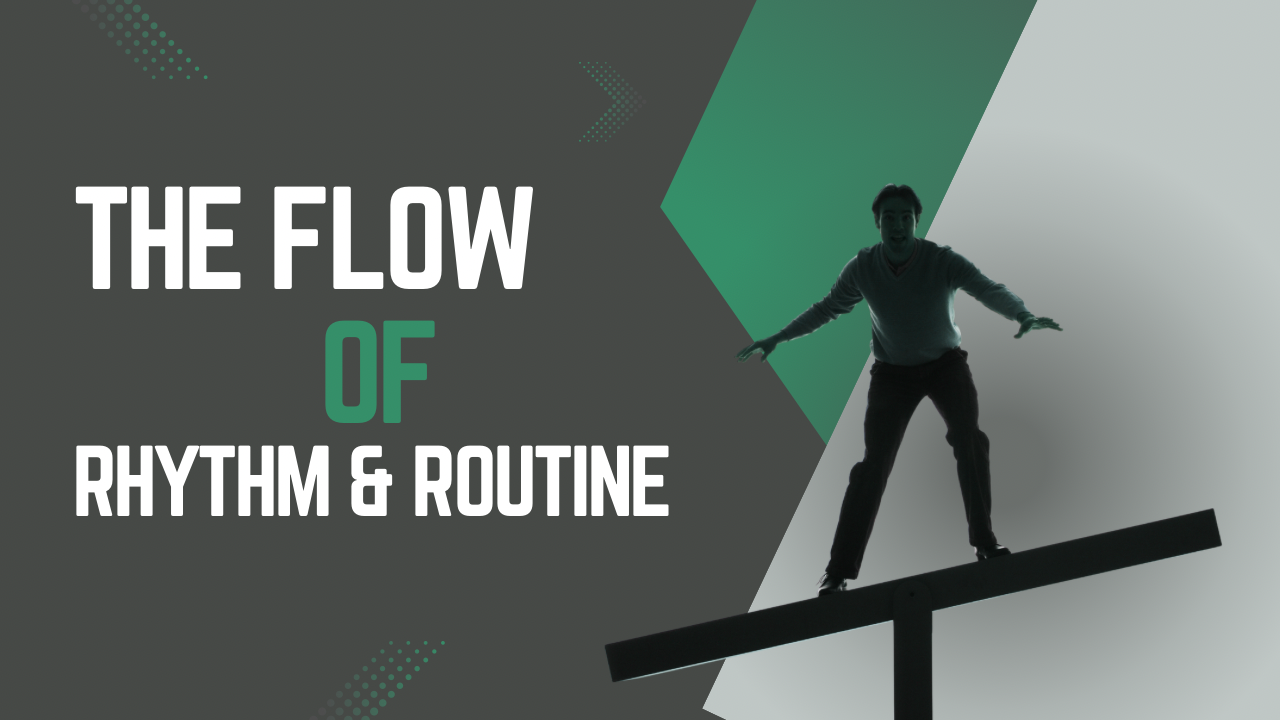
At some point in every life, the familiar structure of routine starts to lose its grip—not because a person lacks discipline or desire, but because life itself is shifting beneath the surface. Seasons change quietly, the body moves differently, thoughts gather differently, and responsibilities rearrange themselves without asking permission. What once fit seamlessly into a daily pattern begins to feel rigid, heavy, or strangely out of sync.
In moments like these, many find themselves faced with an unexpected realisation: the old ways of moving no longer match the new realities of the mind and body. Women often feel this sharply as hormonal transitions affect memory, focus, emotional thresholds, and energy patterns.
Men, too, experience internal changes that rarely receive language — whether it’s the quiet fatigue that lingers without explanation, the pressure to remain steady for everyone else, career strain, cooling motivation, physical transitions, or the loneliness that comes with being the one others rely upon.
Whether expressed or silent, these changes reshape how a person thinks, reacts, and moves through the day. And when this internal landscape evolves, the routines that once worked so well begin to feel demanding or strangely out of tune.
Routine, with its fixed expectations and repeated demands, can begin to feel unforgiving. It insists on sameness, even when the person living inside the routine is changing. Rhythm, however, tells a different story. It invites flexibility, honours shifts, allowing space for the complexity of being human — capable and courageous, yet tender and evolving.
Rhythm understands that some days begin with clarity and purpose, and others begin in a soft fog that is no one’s fault. Fog caused by stress, responsibility, emotional residue, or simply by a body and mind navigating transitions that are natural but seldom spoken about.
This fog does not belong to women alone. Men experience it too — often quietly, often with less room to confess it. Their pressure may come from the expectation to appear steady, from the weight of provision, from physical ageing, or from having no place to lay what they carry. Rhythm makes room for these realities as well. Not as limitations, but as information — cues that the pace of the day may need adjusting.
And when rhythm is embraced, something gentle begins to happen. The mind slowly gathers its focus again. Thoughts settle, perspective widens, and solutions that once felt tangled become clearer because there is finally room for them to unfold. Creativity rekindles as pressure eases. Confidence returns — not the loud kind driven by performance, but the grounded kind rooted in self-awareness and alignment. And this reconnection to clarity is universal.
Whether experienced by women navigating hormonal shifts or men moving through hidden pressures and unspoken expectations, rhythm restores what routine often erodes: a sense of being centred, capable, and fully present in one’s own life.
This is the quiet gift of rhythm I have found:
it supports life as it truly is, not as a checklist imagines it should be.
It allows a person to move with themselves rather than against themselves.
It welcomes fluctuation, honours capacity, and replaces self-judgment with understanding, and
It has a way of restoring what overwhelm tends to steal — clarity, calm, courage and connection to one’s internal wisdom.

This week offers a simple but meaningful reflection:
What might life feel like if the pace was set by rhythm, not routine — by who you are in this moment, rather than who you were yesterday?
Whether the answer comes quickly or slowly, whether it whispers or rises boldly, it holds power, because it invites a life that breathes with you — a life you don’t have to strain to keep up with.
If this resonates, share your season, your rhythm, or your thoughts. Your voice may be the gentle reminder someone else needs today.
USI
Declutter Your Thoughts: Mental Hygiene & Clarity
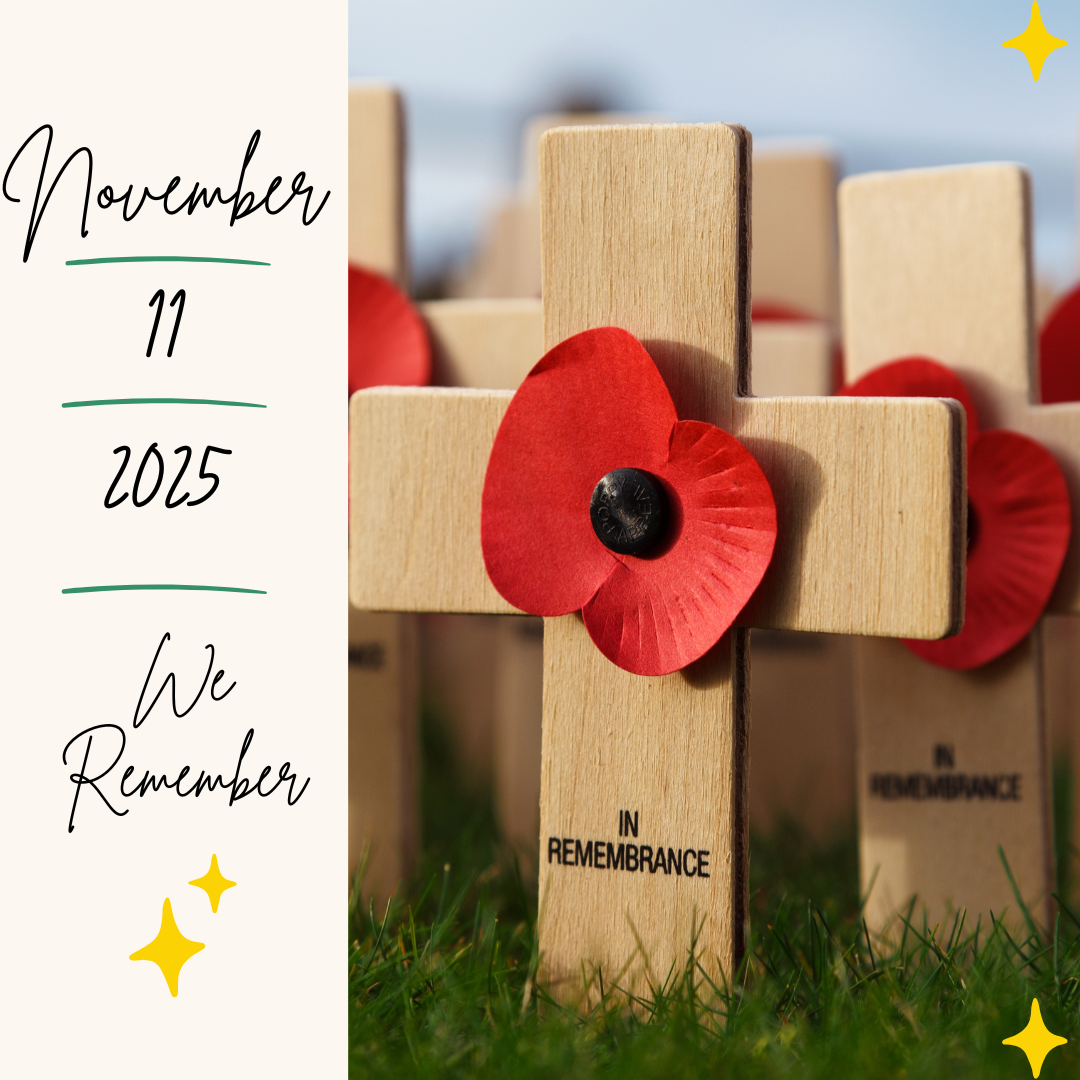
This week’s reflection is paired with a moment of remembrance — a quiet tribute to life, love, and clarity.
As we declutter our thoughts, we make room not only for peace but for the memories and meanings that truly matter.
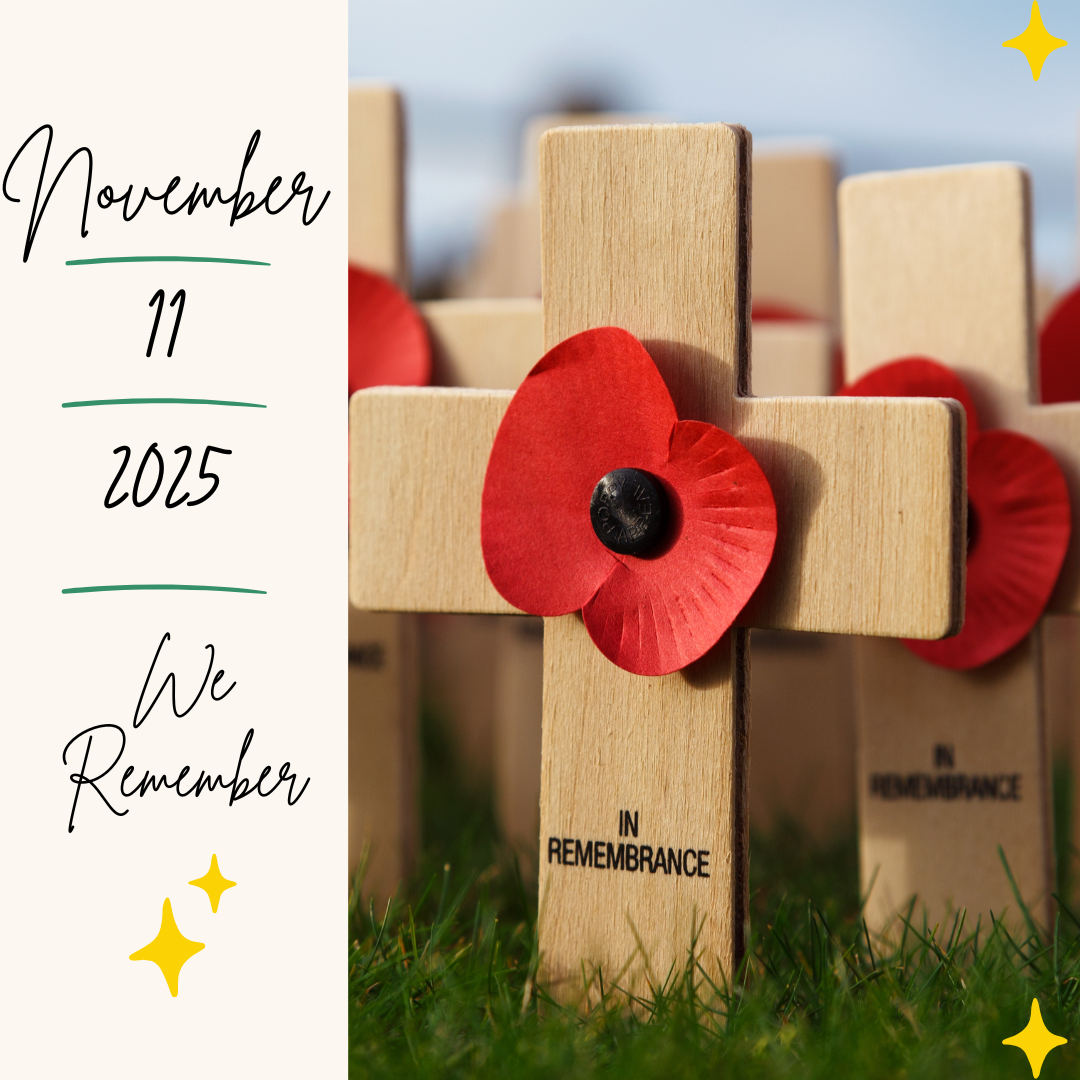
A Quiet Moment Of Remembrance and Renewal
Sometimes, we move forward by looking back.
We Remember….!
Some weeks call for pause — not just to clear what’s cluttered, but to remember what deserves to stay.
Have you ever walked into a room and felt instantly overwhelmed — not because it was messy, but because it was full?
The same thing happens in the mind.
Our thoughts pile up quietly — plans, worries, memories, comparisons — and before long, it’s hard to tell what’s essential and what’s just noise but unlike a physical space, we can’t simply close the door and walk away.
Mental clutter isn’t always loud.
Sometimes, it’s that soft, persistent fog that blurs everything else — the reason we feel stuck even when we’re doing all the “right” things. That’s where mental hygiene comes in.
It’s not about control, perfection, or trying to think only happy thoughts. It’s about learning to pause — to make space between what we think and what we choose to believe.
Just like decluttering a home, it’s an act of gentle discernment: keeping what adds meaning and releasing what drains peace.

What That Looks Like in Real Life
It starts with awareness — noticing the recurring thoughts that fill the quiet. Does it feel heavy; does it give you energy?Sometimes, they’re not even ours. We absorb them from other people’s opinions, social media, old fears, or cultural pressures that no longer fit the lives we’re actually building.
Mental hygiene is simply saying: I don’t need to carry everything.
Some thoughts can be thanked for what they taught us — and then released. Others just need to be reframed with kindness, not judgment and when we practice this regularly, even a little, clarity starts to find its way back to us.
Resets Can Be Gentle
How about we try this? Tomorrow morning, before you pick up your phone, take a moment to breathe and ask yourself:
“What do I want to bring into today?”
At night, before bed, write down one thought or worry you want to leave behind. Not to fix it — just to stop holding it.
You’ll be amazed at how freeing it feels to release what you don’t need to keep overnight.
The Gift of ‘Quiet’
Stillness is not empty — it’s full of wisdom waiting to be heard. When we stop filling the silence with noise, truth begins to whisper again.
Quiet doesn’t just calm the mind; it clears the lens through which we see. From that stillness, perspective widens. We begin to see connections we missed before — solutions that once felt complicated now seem simple, because the noise that clouded them has lifted.
This is where creativity is born — not from striving, but from space.
New ideas take root, courage grows, and decisions feel less like pressure and more like clarity. Confidence returns, not because everything is perfect, but because we finally trust our own inner rhythm again.
That is the quiet reset: the moment when peace and purpose start speaking the same language.
Here’s A Gentle Invitation
If your mind feels crowded this week, take a small step toward peace.
Notice one thought that’s been looping in your head then ask yourself, Does this serve who I’m becoming? If the answer is no — exhale, and let it go.
Because peace doesn’t come from thinking less; it comes from thinking light.
Author’s Note
Every reflection I share is simply an invitation — to pause, to breathe, and to notice what your spirit is whispering beneath the noise.
You don’t need to have it all figured out.
Sometimes, peace begins with one honest moment of awareness — and that’s enough to start again.
-USI